CNC milling technology improves the accuracy of steel part manufacturing by combining computer-controlled machining processes, advanced tooling systems, precise motion control, and strict quality management. Compared with traditional machining methods, CNC milling steel production enables manufacturers to achieve tighter tolerances, consistent dimensions, and complex geometries with higher repeatability, making it suitable for demanding industrial components.
For industries requiring reliable steel parts, selecting an experienced CNC milling company is essential because machining accuracy depends not only on CNC equipment but also on programming expertise, material understanding, process optimization, and inspection capabilities.
How Does CNC Milling Technology Achieve High Precision in Steel Part Manufacturing?
The accuracy of CNC milling comes from the ability of CNC systems to control every machining movement based on programmed instructions. Unlike manual machining, where operator experience heavily influences results, CNC milling uses digital models and automated tool paths to maintain consistent cutting operations.
During CNC milling steel manufacturing, CNC machines precisely control:
Tool movement along multiple axes
Cutting speed and feed rate
Machining depth
Tool positioning accuracy
Repeated production cycles
This high level of control reduces human errors and ensures that every machined steel component meets the required specifications.
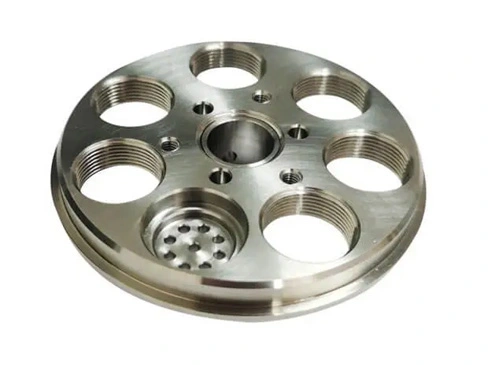
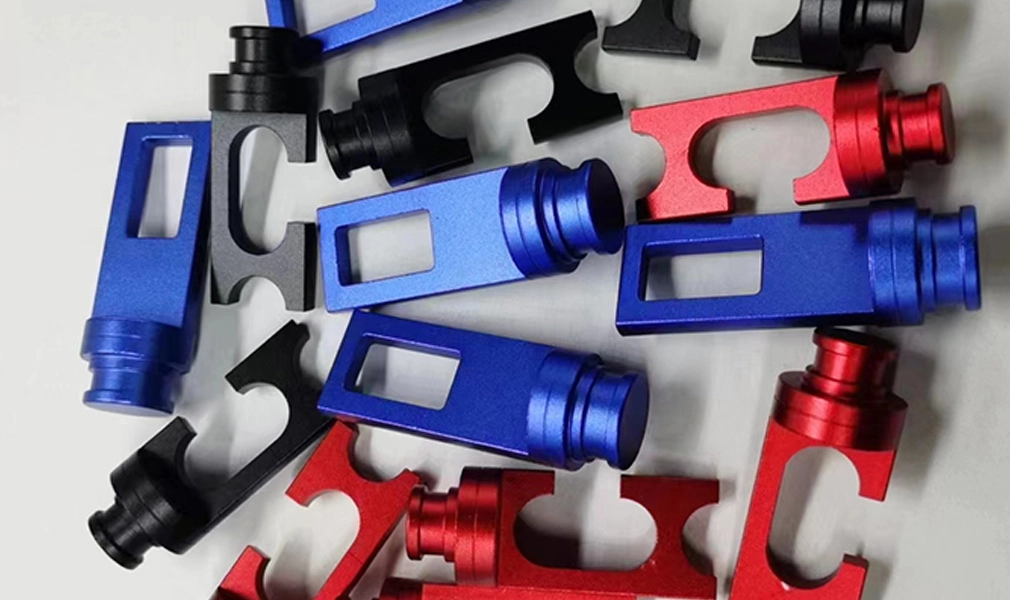
For complex steel parts with strict dimensional requirements, modern CNC milling equipment allows manufacturers to produce intricate features such as pockets, slots, holes, and curved surfaces while maintaining stable accuracy throughout production.
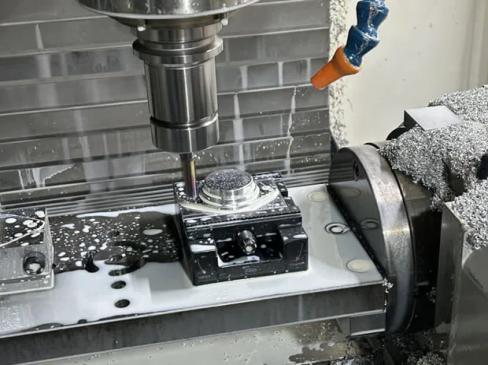
How Do CNC Machines Improve Dimensional Accuracy of Steel Components?
Dimensional accuracy is one of the most important factors in steel part manufacturing, especially for components used in machinery, automotive systems, automation equipment, and industrial assemblies.
CNC milling improves dimensional accuracy through several key technologies:
Computer-Aided Manufacturing for Precise Tool Path Control
CNC milling machines operate according to CAD/CAM-generated programs, which convert engineering designs into accurate machining instructions. These digital workflows minimize manual adjustments and allow manufacturers to optimize cutting paths before production begins.
This approach helps reduce machining errors caused by incorrect tool positioning or inconsistent manual operations.
Multi-Axis Machining for Complex Steel Parts
Multi-axis CNC milling enables cutting tools to approach steel workpieces from different angles without repeated repositioning. This reduces setup errors and improves overall machining consistency.
For example, 4-axis and 5-axis CNC milling can manufacture complex components with fewer setups, resulting in better alignment accuracy and improved surface quality.
Real-Time Process Monitoring and Quality Control
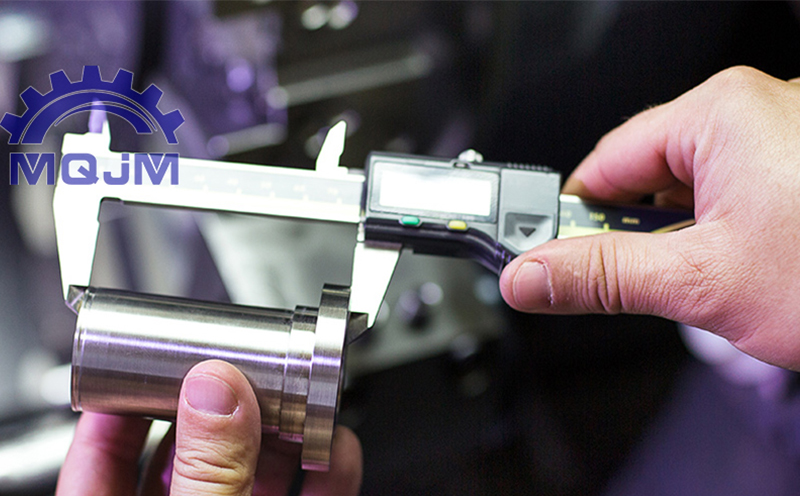
Professional CNC manufacturers combine machining technology with inspection equipment such as coordinate measuring machines (CMM), precision gauges, and automated measurement systems.
These inspection processes help verify:
Dimensional tolerances
Geometric accuracy
Surface conditions
Final part consistency
A reliable China CNC milling service provider typically integrates machining and inspection procedures to ensure stable production quality for both prototypes and large-volume orders.
What Factors Affect the Accuracy of CNC Milling Steel Parts?
Although CNC technology provides high machining precision, several factors influence the final accuracy of steel components.
Material Properties of Steel
Different steel grades have different hardness levels, thermal expansion characteristics, and machining behaviors. Improper material selection or unsuitable cutting parameters can cause deformation, tool wear, or dimensional variations.
Experienced manufacturers adjust machining strategies according to steel characteristics to maintain stable results.
Cutting Tools and Machining Parameters
Tool selection directly affects machining performance. Worn or unsuitable cutting tools may create surface defects and reduce dimensional accuracy.
Optimizing parameters such as:
Cutting speed
Feed rate
Tool path strategy
Cooling methods
helps improve machining stability and extend tool life.
Machine Calibration and Maintenance
High-precision CNC equipment requires regular calibration and maintenance. Machine vibration, spindle accuracy issues, or mechanical wear can negatively affect machining results.
Professional CNC manufacturers perform routine equipment checks to maintain consistent accuracy over long production cycles.
Why Is CNC Milling Preferred for High-Precision Steel Manufacturing?
CNC milling has become a preferred solution for precision steel manufacturing because it combines flexibility, efficiency, and repeatability.
Compared with conventional machining methods, CNC milling offers:
Higher production consistency
Better control over complex designs
Reduced risk of human error
Faster production adjustments
Improved repeatability for mass production
These advantages make CNC milling suitable for industries where component failure is unacceptable, including aerospace, automotive, medical equipment, robotics, and industrial machinery.
A qualified CNC milling company can also provide engineering support during the design stage, helping customers optimize part structures for better machinability and cost efficiency.
How Can a CNC Milling Service Improve Production Efficiency and Reduce Costs?
Accuracy and efficiency are closely connected in modern manufacturing. CNC milling reduces unnecessary machining steps by optimizing tool paths and minimizing manual intervention.
A professional China CNC milling service can help customers achieve cost-effective production through:
Faster setup processes
Reduced material waste
Stable repeat production
Lower labor requirements
Improved quality control
For custom steel components, early communication between engineers and CNC specialists can further reduce production risks and avoid costly design modifications.
What Should You Consider When Choosing a CNC Milling Company for Steel Parts?
Choosing the right manufacturer requires evaluating more than equipment availability. A reliable supplier should have experience with steel machining, quality control systems, and the ability to support different production requirements.
Important factors include:
CNC machining capabilities
Material processing experience
Tolerance control standards
Inspection equipment
Production capacity
Engineering support
Working with an experienced CNC milling company helps ensure that steel parts meet performance requirements while maintaining production efficiency.
FAQs About CNC Milling Steel Parts
What tolerance can CNC milling achieve for steel parts?
High-quality CNC milling can typically achieve tight tolerances depending on the machine, material, part design, and inspection methods. Precision machining requirements should be confirmed with the manufacturer.
Why is CNC milling suitable for steel components?
CNC milling provides excellent accuracy, repeatability, and flexibility, making it suitable for producing durable steel parts with complex designs.
How does CNC milling reduce manufacturing errors?
CNC milling uses programmed instructions and automated movements to minimize manual errors and maintain consistent machining results.
What industries use CNC milling steel parts?
CNC milling steel parts are widely used in automotive, aerospace, machinery, robotics, and industrial equipment applications.
How do I choose a reliable China CNC milling service provider?
Evaluate machining capabilities, quality control processes, industry experience, and the ability to handle your required steel materials and tolerances.
Conclusion
CNC milling technology significantly improves the accuracy of steel part manufacturing by providing precise motion control, advanced programming capabilities, and reliable quality inspection processes. Through optimized machining strategies and modern CNC equipment, manufacturers can produce steel components with consistent dimensions, complex geometries, and dependable performance.
For businesses seeking precision-engineered steel components, partnering with an experienced cnc milling company or professional china cnc milling service provider can help achieve higher quality, better efficiency, and long-term manufacturing reliability.