For hardware startups, industrial equipment brands, robotics companies, automotive suppliers, aerospace part developers, electronics manufacturers, and medical device teams, CNC milling is one of the fastest and most reliable ways to turn a CAD model into a functional metal or plastic part. But during NPI—New Product Introduction—the bottleneck is rarely the machining itself. It is the gap between engineering intent and manufacturing reality: slow quotation responses, unclear DFM feedback, tolerance surprises, and the painful disconnect between a promising prototype and a production supply chain that cannot replicate it consistently. A well-structured China CNC milling service workflow addresses all of these gaps—combining rapid DFM feedback, high-speed machining capability, multi-axis flexibility, and a clear prototype-to-batch handover process that keeps NPI timelines on track. MQJM provides custom CNC milling services with 3-axis, 4-axis, and 5-axis milling capabilities, over 40 material options, 12 surface treatments, 60 CNC machines, and support for both prototype and batch production.
Why Slow Prototyping and Poor Production Handover Are Killing Your NPI Timeline
The most expensive problem in NPI is not the cost of a single prototype. It is the cost of a delayed launch—and the hidden cost of a prototype that was never designed for the production process that follows it.
Many companies can produce one prototype. The real challenge is producing a prototype that accurately predicts production quality, cost, and lead time—and then transitioning to small-batch or pilot-run production without restarting the engineering conversation from scratch. This is where most NPI programs lose weeks or months.
The common failure modes are consistent across industries:
Long quotation response times that delay the engineering decision cycle
No DFM feedback before machining begins, so manufacturability problems are discovered after the part is cut
Unclear tolerance feasibility, leading to repeated drawing revisions and cost surprises
Wrong material or surface finish selection that requires redesign before production
Tooling and fixturing strategies optimized for one-off prototypes that cannot scale to batch production
Prototype suppliers who cannot support repeat orders, forcing buyers to re-qualify a new supplier for production
Inconsistent quality between the approved sample and the first production batch
Poor communication between engineering and procurement teams, creating delays at every handover point
For product development teams, each of these failures compounds. A delayed prototype pushes back functional testing. A failed DFM review triggers drawing revisions. A supplier who cannot scale forces a re-sourcing process. By the time the product reaches launch, the NPI timeline has expanded by weeks, the engineering team has spent significant time on supplier management rather than product development, and the cost-per-part has increased because the design was never optimized for production.
The solution is not simply finding a faster machining shop. It is finding a CNC milling partner with a structured NPI workflow: early DFM feedback, high-speed machining capability, disciplined quality inspection, and a clear path from one prototype to repeatable small-batch production.
What CNC Milling Is and Why It Is the Right Tool for NPI
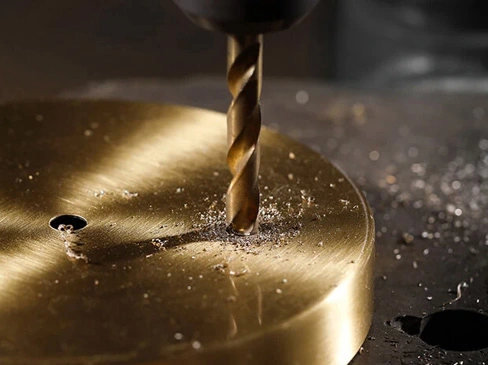
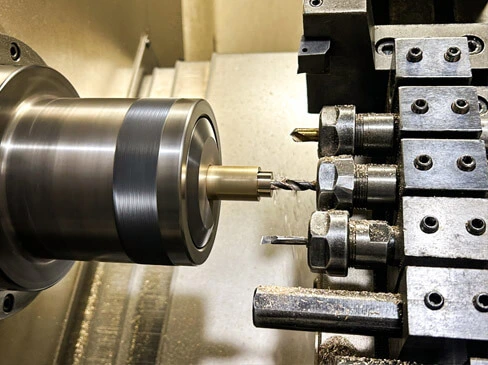
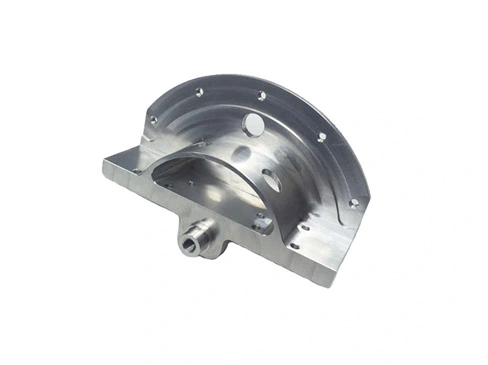
CNC milling is a subtractive manufacturing process where a computer-controlled machine removes material from a workpiece using rotating cutting tools. Starting from a CAD model, the process converts the design into G-code through CAM software, sets up the machine and workpiece, executes the toolpath, and completes the part with deburring, inspection, and surface treatment. The result is a precision part with complex shapes, drilled holes, pockets, slots, threads, contours, and functional surfaces—produced from production-intent materials.
CNC milling is particularly valuable for NPI because it produces real functional prototypes from the same materials that will be used in production: aluminum, stainless steel, steel, brass, copper, and engineering plastics. This means that a CNC-milled prototype can be used for functional testing, assembly validation, regulatory submission, and customer approval—not just visual review.
3-Axis, 4-Axis, and 5-Axis CNC Milling for NPI
| Milling Type | Best Application | NPI Value |
|---|
| 3-axis CNC milling | Flat surfaces, pockets, simple housings, brackets | Fast and cost-effective for straightforward geometries |
| 4-axis CNC milling | Parts requiring rotation, side features, curved access | Reduces setups and improves dimensional consistency |
| 5-axis CNC milling | Complex geometry, aerospace parts, medical components | Handles difficult shapes in fewer setups with higher precision |
MQJM offers all three milling configurations, with 5-axis machining specifically supporting complex shapes and high-precision parts for aerospace, medical device, and automotive applications. For NPI projects that involve complex geometry, 5-axis capability eliminates the need for multiple setups and reduces the risk of datum shift errors that can affect assembly fit.
Why China CNC Milling Service Is a Strategic NPI Choice
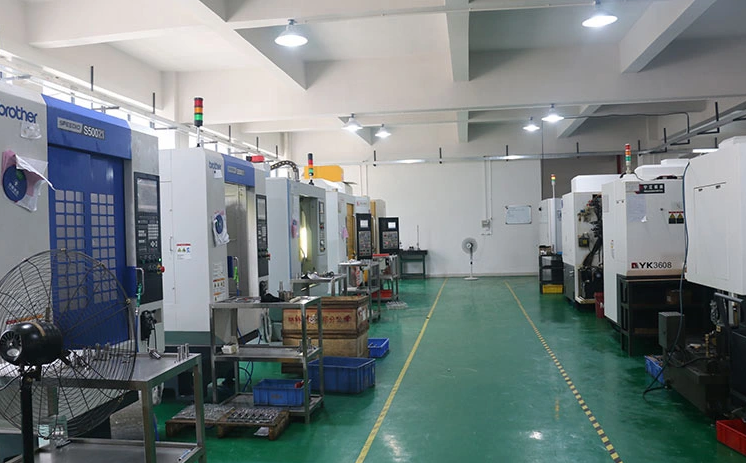
A China CNC milling service with the right capability profile offers NPI teams a combination of machining flexibility, material breadth, surface treatment options, and cost structure that is difficult to match with domestic-only sourcing. MQJM's platform includes 60 CNC machines, over 40 material options, 12 surface treatments, and a quotation workflow that targets a 12-hour response after CAD file submission—a combination that directly addresses the speed and flexibility requirements of NPI programs.
How Fast DFM Feedback and High-Speed Milling Shorten Development Cycles
The real NPI accelerator is not spindle speed. It is the quality and speed of the engineering conversation that happens before machining begins. A 24–48 hour DFM feedback window can identify and resolve manufacturability problems that would otherwise surface as expensive surprises after the part is cut.
The Optimized NPI CNC Milling Workflow
A structured NPI-focused workflow should follow this sequence:
CAD file submission with 2D drawing and application notes
Engineering review and DFM analysis
DFM feedback within 24–48 hours covering manufacturability risks
Material and tolerance confirmation
Quotation and lead time confirmation
CAM programming and toolpath strategy
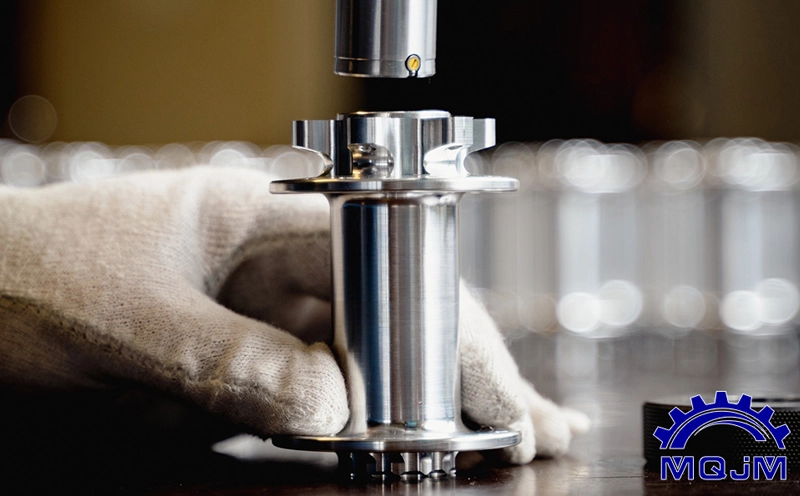
High-speed milling with in-process inspection
Deburring and surface treatment
Final QC inspection with dimensional report
Prototype delivery and production-readiness review
MQJM's online quotation process asks buyers to upload CAD part designs and provides a quote and solution within 12 hours, followed by material sourcing and sample or batch production after confirmation.
What DFM Feedback Should Cover
For buyers searching for rapid CNC milling prototypes, the value of early DFM feedback is in the problems it prevents. A thorough DFM review should identify:
Thin-wall deformation risk at the specified wall thickness
Deep pocket machining difficulty and tool length limitations
Tool access limitations for internal features
Tight tolerance cost drivers that may not be functionally necessary
Sharp internal corner issues that require radius relief
Thread depth concerns relative to material and hole diameter
Surface finish feasibility for the specified process
Material substitution opportunities that reduce cost without affecting function
Assembly alignment risks that should be addressed in the design
Part features that will slow production cycle time at batch scale
When DFM feedback is delivered before machining begins, buyers can make informed decisions about design changes, tolerance relaxation, or material substitution—decisions that cost nothing at the drawing stage but can cost significantly after the first prototype is cut.
Why High-Speed Milling Supports Rapid Prototyping
High-speed CNC milling contributes to rapid prototype delivery through improved toolpath efficiency, higher material removal rates, better surface finish quality in fewer operations, reduced setup time through optimized fixturing, and more consistent dimensional repeatability across multiple prototype pieces. For NPI teams that need to validate multiple design iterations quickly, these efficiency gains translate directly into shorter development cycles.
Component Breakdown: DFM, Materials, Tolerances, Surface Finishes, QC, and Batch Transition
A reliable CNC milling NPI workflow depends on every component of the process being correctly specified and managed. Buyers who focus only on the machining step and ignore DFM, material selection, tolerance planning, surface treatment, and batch handover documentation will encounter the same problems at every product launch.
Core Workflow Components
| Component | What to Check | Why It Matters |
|---|
| DFM review | Tool access, wall thickness, tolerance feasibility | Prevents costly redesign after machining |
| Material selection | Aluminum, stainless steel, brass, copper, steel, plastic | Affects strength, cost, weight, and machining speed |
| Machine capability | 3-axis, 4-axis, 5-axis milling | Determines geometry feasibility and setup count |
| CAM programming | Toolpath, feeds, speeds, setup strategy | Impacts lead time and repeatability |
| Tolerance control | Critical dimensions and inspection method | Supports fit, function, and production readiness |
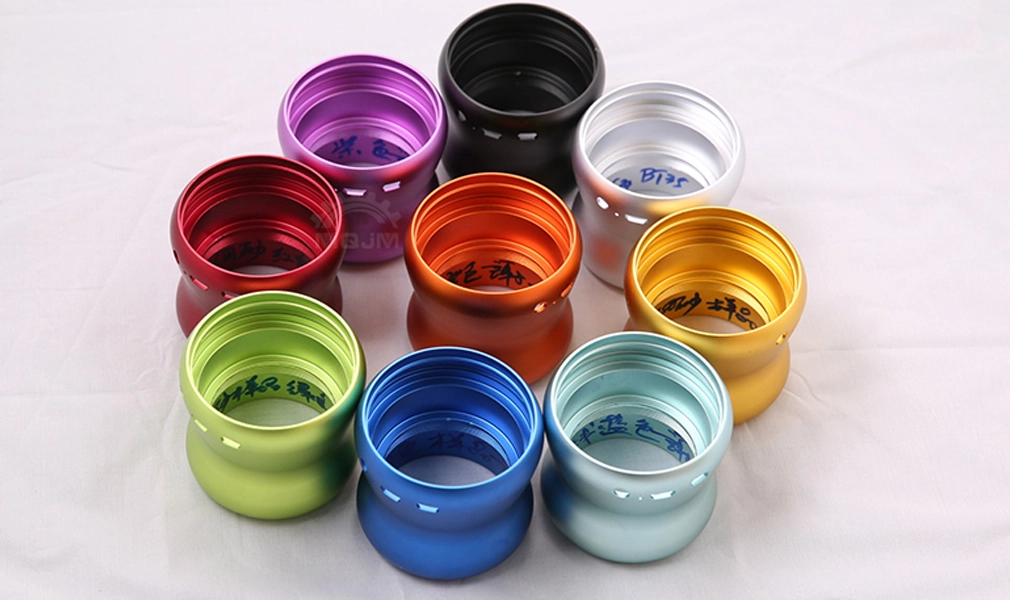
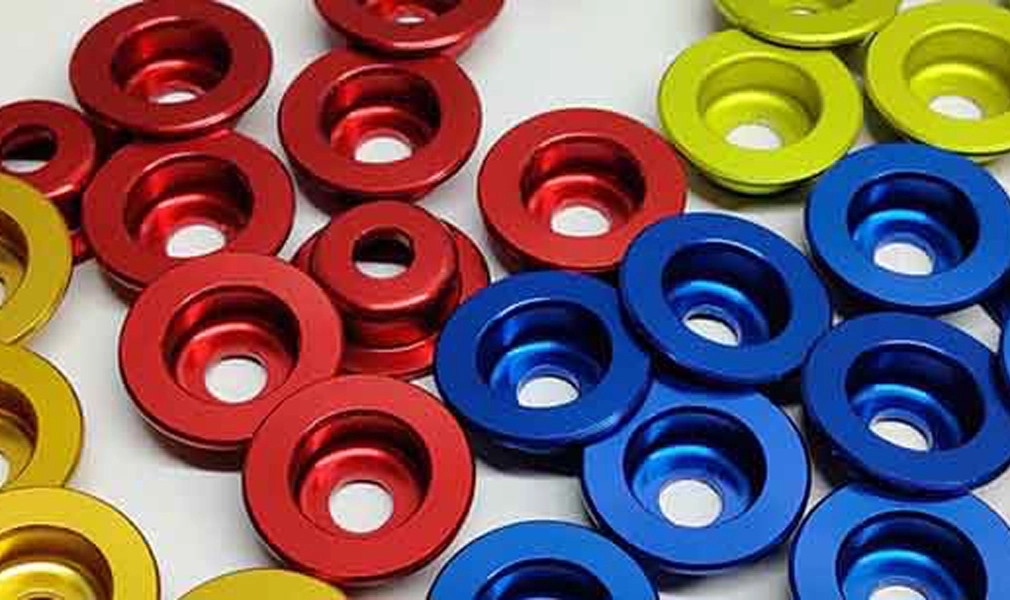
| Surface treatment | Anodizing, polishing, sandblasting, plating, and others | Improves appearance and functional performance |
| QC inspection | First article, in-process, and final inspection | Protects quality before shipment |
| Documentation | COA, inspection report, material certificate | Supports regulated and export projects |
| Packaging | Anti-scratch, anti-rust, separated packing | Prevents damage during international shipping |
| Batch scalability | Prototype, pilot run, small-batch production | Enables seamless NPI handover |
Tolerance and Size Reference
MQJM lists general CNC milling dimensional capability including ±0.025 mm linear dimension tolerance and a part size limit of 950 × 550 × 480 mm depending on geometry and project requirements. For NPI teams specifying tolerances, it is worth reviewing whether every tight tolerance on the drawing is functionally necessary—unnecessary tight tolerances increase machining time, inspection cost, and rejection risk without improving product performance.
Prototype-to-Production Handover Documentation
A reliable handover from prototype to small-batch production should include:
Prototype feedback record with approved and rejected dimensions
Final drawing revision with all engineering changes incorporated
Approved material specification and certificate
Approved surface finish specification and sample
Critical-to-quality dimension list with inspection method
Batch inspection plan
Packaging method for surface-treated parts
Production schedule and repeat order pricing
Change control process for future revisions
MQJM Quality Control Process
MQJM describes a three-step quality process covering pre-production, production, and pre-delivery inspection. Raw materials are checked before processing, test parts are evaluated before production continues, QC inspections are performed during machining, and final checks cover appearance, holes, threaded components, and assembly fit before delivery. This structured approach supports the documentation requirements of regulated industries and provides the traceability that NPI programs need when moving from approved prototype to production batch.
Selection Guide: Applications, Benefits, Challenges, Checklist, and Production Continuity
Industry and Application Coverage
CNC milling supports NPI and production across a wide range of industries and part types:
Automotive structural and functional components
Racing performance parts requiring tight tolerances and lightweight materials
Aerospace precision components requiring 5-axis capability
Medical device housings, fixtures, and functional parts
Electronics enclosures and heat sinks in aluminum
Robotics structural components and end-effectors
Industrial automation fixtures, brackets, and mechanical assemblies
Mountain bike accessories and performance hardware
Consumer product hardware requiring cosmetic surface finishes
Precision fixtures and tooling for production lines
Custom aluminum enclosures for electronics and instrumentation
Brass and copper functional components for fluid and electrical systems
MQJM lists automotive, racing, aerospace, mountain bike accessories, medical devices, and electronic product parts among its served industries.
On-Demand CNC Machining Services: Key Benefits for B2B Buyers
For buyers evaluating on-demand CNC machining services, the relevant benefits include:
Faster CAD-to-part cycle through structured quotation and DFM workflow
Early DFM feedback that prevents expensive post-machining redesign
Flexible prototype quantities from one piece to small batches
Smooth transition from prototype validation to pilot run and small-batch production
Multiple material options covering metals and engineering plastics
3-axis, 4-axis, and 5-axis support for simple to complex geometries
Reduced tooling investment compared with injection molding or die casting
Better cost control before committing to mass production tooling
Stronger quality documentation for regulated industries
Easier supplier consolidation when one partner covers prototype and production
Challenges to Address Before Starting an NPI CNC Milling Project
Before submitting files, buyers should clarify:
Is this part for appearance validation, functional testing, or production use?
Which dimensions are truly critical to function and assembly?
Are any tolerances tighter than functionally necessary?
Is the selected material easy to machine and source at production quantities?
Does the design include thin walls, deep cavities, undercuts, or sharp internal corners?
Is the surface finish cosmetic, functional, or both?
Will the same design move into small-batch production, and is the supplier capable of supporting that?
What inspection documentation is required for the application?
What packaging is needed for surface-treated parts during international shipping?
B2B Procurement Checklist
Before contacting MQJM, prepare the following:
3D CAD files in STEP, IGES, or SolidWorks format
2D drawings with critical tolerances and GD&T if applicable
Material requirement and any material certificate needs
Surface finish requirement and functional or cosmetic priority
Quantity for prototype and anticipated batch production
Intended application and assembly relationship
Critical dimensions and inspection requirements
Thread and hole specifications
Desired lead time and delivery destination
Inspection report and material certificate requirements
Packaging requirement for surface-treated parts
Target unit cost for production batches
Repeat order forecast
Production Continuity Guide for CNC-Milled NPI Parts
For repeat NPI-to-production programs, the most important maintenance task is not machine maintenance—it is part data maintenance. Keeping drawings, tolerances, revision files, and QC documents consistent from prototype to batch production prevents the quality drift and communication failures that cause production batches to diverge from approved prototypes. Key practices include:
Maintaining controlled drawing revisions with clear change history
Keeping approved sample records and first article inspection reports on file
Documenting material certificates and surface treatment specifications
Maintaining a critical dimension list with the inspection method for each dimension
Establishing a packaging standard for surface-treated parts
Keeping batch traceability records for regulated applications
Maintaining a supplier communication log for engineering changes
Establishing a formal engineering change request process before modifying production drawings
Planning reorder schedules and buffer stock for long-lead-time materials
Conclusion: Build a Faster, More Reliable NPI Supply Chain with CNC Milling
The difference between an NPI program that launches on schedule and one that loses months to engineering revisions, supplier changes, and quality surprises is rarely the machining itself. It is the workflow around the machining: how quickly DFM feedback is delivered, how clearly tolerances and materials are confirmed, how consistently quality is controlled from prototype to batch, and how smoothly the handover from engineering validation to production supply chain is managed.
A well-structured China CNC milling service with the right capability profile—multi-axis machining, broad material options, surface treatment support, structured DFM feedback, and a clear prototype-to-production pathway—gives NPI teams the supply chain foundation they need to move faster and with more confidence.
Contact MQJM to discuss your CAD files, tolerance requirements, material selection, surface finish, DFM review needs, prototype timeline, and small-batch production plan. MQJM provides custom CNC milling services with 3-axis, 4-axis, and 5-axis machining, over 40 material options, 12 surface treatments, 60 CNC machines, and support for both rapid prototypes and repeat batch production.
Frequently Asked Questions
Q1: What is CNC milling?
CNC milling is a subtractive manufacturing process where computer-controlled cutting tools remove material from a workpiece to create precision parts with holes, slots, pockets, threads, contours, and complex surfaces from metals or engineering plastics.
Q2: How does CNC milling accelerate NPI cycles?
CNC milling accelerates NPI by converting CAD files into functional prototypes quickly, enabling early DFM feedback that prevents redesign, reducing revision cycles, and supporting a smooth transition from prototype validation to small-batch production without re-qualifying a new supplier.
Q3: What should I provide for rapid CNC milling prototypes?
Provide 3D CAD files, 2D drawings with critical tolerances, material requirements, surface finish requirements, quantity, application notes, assembly relationships, and target delivery date. The more complete the submission, the faster and more accurate the DFM feedback and quotation.
Q4: Can CNC milling support both prototype and small-batch production?
Yes. CNC milling is suitable for single prototypes, pilot runs, and small-batch production. MQJM supports samples and batch production after quotation confirmation, making it possible to use the same supplier and approved process from first prototype through repeat production orders.
Q5: Why choose a China CNC milling service for on-demand machining?
A China CNC milling service with the right capability offers flexible machining capacity, broad material and surface treatment options, fast quotation response, multi-axis capability, and competitive cost structure for both prototypes and production batches. MQJM provides 60 CNC machines, over 40 material options, 12 surface treatments, and 3-axis to 5-axis milling services for NPI and production programs.