6061 aluminum is generally the better choice for CNC milling parts that require excellent machinability, corrosion resistance, and cost efficiency, while 7075 aluminum is preferred for applications requiring higher strength and mechanical performance. The right material depends on the specific requirements of the component, including load conditions, weight limitations, environmental exposure, and production needs.
For manufacturers providing CNC aluminum machining, choosing between 6061 and 7075 aluminum directly affects machining performance, part durability, and overall project cost. A professional CNC aluminum service provider evaluates not only material strength but also machining complexity, surface finishing requirements, and final application conditions.
What Are the Main Differences Between 6061 and 7075 Aluminum?
The primary difference between 6061 and 7075 aluminum lies in their alloy composition and mechanical properties.
6061 aluminum is a magnesium and silicon-based alloy known for its balanced performance. It offers good strength, excellent corrosion resistance, and outstanding machinability, making it one of the most commonly used materials for precision CNC components.
7075 aluminum contains zinc as the primary alloying element, giving it significantly higher strength and hardness compared with 6061 aluminum. However, its increased hardness makes machining more challenging and may require optimized cutting strategies.
For CNC 6061 aluminum production, manufacturers can achieve efficient machining with stable tool performance. In contrast, 7075 aluminum machining often requires more careful control of cutting parameters due to its higher strength.
Why Is 6061 Aluminum Widely Used for CNC Milling Parts?
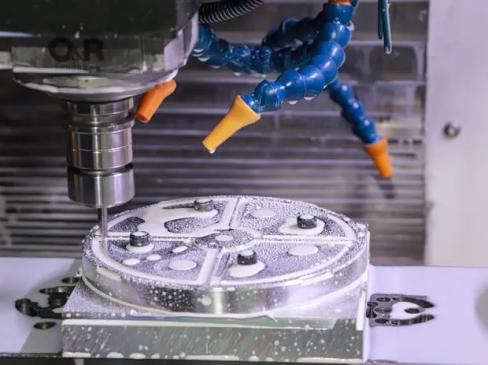
6061 aluminum is one of the most popular materials in CNC milling because it provides a strong balance between performance, machinability, and affordability.
Key advantages include:
Excellent Machinability
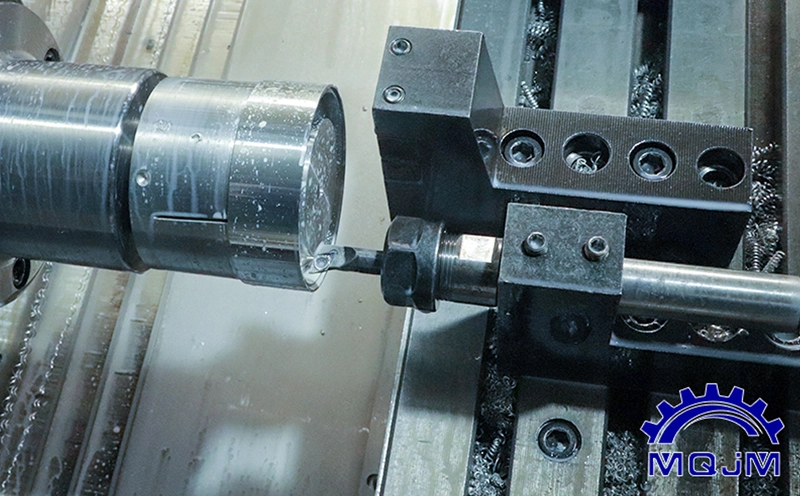
6061 aluminum can be easily processed through milling, drilling, and turning operations. Its machining characteristics allow manufacturers to achieve accurate dimensions while maintaining efficient production cycles.
This makes CNC 6061 aluminum suitable for prototypes, custom parts, and medium-volume production where cost control and reliability are important.
Good Corrosion Resistance
6061 aluminum naturally performs well in environments exposed to moisture and chemicals. It is commonly used for components requiring long-term durability without extensive protective treatments.
Versatile Surface Finishing Options
6061 aluminum supports various finishing processes, including anodizing, polishing, and coating. These treatments can improve appearance, wear resistance, and surface protection.
Because of these advantages, 6061 aluminum is widely used in automotive components, industrial equipment, automation systems, and consumer products.
When Should You Choose 7075 Aluminum for CNC Machining?
7075 aluminum is selected when strength-to-weight performance is the primary consideration.
The main advantages of 7075 aluminum include:
Higher Strength and Hardness
7075 aluminum provides significantly greater tensile strength compared with 6061 aluminum. This makes it suitable for components exposed to high stress, impact, or heavy mechanical loads.
Industries such as aerospace, defense, and high-performance machinery often rely on 7075 aluminum machining for critical structural components.
Better Fatigue Resistance
For parts subjected to repeated stress cycles, 7075 aluminum can provide better fatigue performance compared with many general-purpose aluminum alloys.
However, its higher hardness means machining requires greater attention to tool selection, cutting speed, and heat management.
How Do 6061 and 7075 Aluminum Compare in CNC Milling Performance?
The choice between 6061 and 7075 aluminum affects machining efficiency, tool wear, and production costs.
6061 aluminum generally offers:
Easier machining processes
Longer tool life
Lower manufacturing costs
Better surface finishing flexibility
7075 aluminum provides:
Higher mechanical strength
Better load-bearing capability
Improved performance in demanding applications
Although both materials work well with CNC aluminum machining, manufacturers must adjust machining strategies based on material properties.
For example, a component requiring complex shapes and frequent design changes may benefit from 6061 aluminum due to its machining efficiency. A high-performance structural component may justify the additional machining requirements of 7075 aluminum.
Which Aluminum Alloy Is More Cost-Effective for CNC Milling Parts?
6061 aluminum is usually more cost-effective because it is easier to machine, widely available, and requires less processing time.
7075 aluminum typically has higher material and machining costs due to:
For projects where extreme strength is unnecessary, selecting 6061 aluminum can significantly reduce manufacturing expenses while still meeting performance requirements.
A reliable CNC aluminum service provider can help determine whether the additional cost of 7075 aluminum is justified based on the application.
How Does Material Selection Affect CNC Aluminum Machining Quality?
Material selection directly influences part accuracy, surface quality, production efficiency, and long-term performance.
During CNC aluminum machining, engineers consider:
Choosing the wrong aluminum alloy may result in unnecessary costs or insufficient performance.
Professional CNC manufacturers analyze these factors during the design stage to recommend the most suitable material and machining approach.
How Can a CNC Aluminum Service Provider Help Choose Between 6061 and 7075 Aluminum?
A professional CNC aluminum service provider offers more than machining capabilities. Experienced manufacturers provide engineering guidance to optimize material selection, machining processes, and production efficiency.
A qualified supplier can help evaluate:
This ensures customers receive aluminum CNC parts that achieve the right balance between performance and cost.
FAQs About 6061 and 7075 Aluminum CNC Machining
Is 6061 aluminum easier to machine than 7075 aluminum?
Yes. 6061 aluminum is generally easier to machine and provides better tool life.
Is 7075 aluminum stronger than 6061 aluminum?
Yes. 7075 aluminum offers higher strength and hardness, making it suitable for high-stress applications.
Which aluminum is better for CNC milling parts?
It depends on the application. 6061 is better for general-purpose machining, while 7075 is better for high-strength components.
Can both 6061 and 7075 aluminum be anodized?
Yes. Both materials can be anodized, although the final appearance may vary depending on alloy composition.
How do I choose the right CNC aluminum machining material?
Consider strength requirements, environment, machining complexity, and budget before selecting the aluminum alloy.
Conclusion
The choice between 6061 and 7075 aluminum depends on the performance requirements of the CNC milling project. 6061 aluminum provides excellent machinability, corrosion resistance, and cost efficiency, making it ideal for many custom CNC parts. 7075 aluminum delivers superior strength and durability for demanding applications where mechanical performance is critical.
By working with an experienced CNC aluminum service provider, manufacturers can select the appropriate material, optimize machining processes, and achieve high-quality aluminum components for different industries. Whether using cnc 6061 aluminum or advanced 7075 aluminum machining, proper material selection is essential for achieving reliable CNC milling results.