Choosing the right supplier is one of the most important decisions when sourcing custom CNC components. For companies that require precision aluminum components, working with experienced aluminum turning parts suppliers can directly influence product quality, production efficiency, and long-term manufacturing success.
A reliable supplier does more than produce parts according to drawings. They provide engineering support, understand material performance, maintain consistent machining accuracy, and help customers move from prototypes to stable production. Whether you are developing automotive components, industrial equipment parts, electronic housings, or other precision products, selecting the right CNC partner can reduce risks and improve project outcomes.
Understand the Capabilities of Aluminum Turning Parts Suppliers
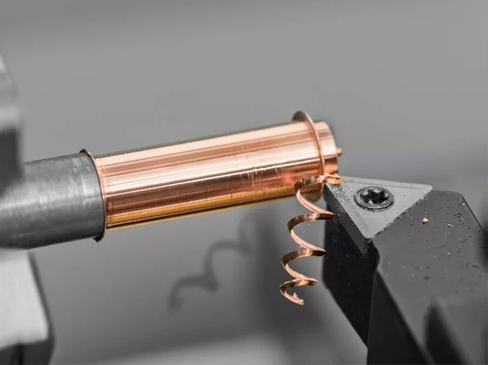
Before choosing a supplier, it is important to evaluate whether their machining capabilities match your project requirements. Aluminum turning requires precise control of cutting parameters because aluminum alloys are lightweight and highly machinable but can also be affected by heat, deformation, and surface quality issues during processing.
A professional supplier should have advanced CNC turning equipment and experience handling different part geometries, from simple cylindrical components to complex precision turned parts. They should also understand how to optimize machining processes based on part structure, tolerance requirements, and production volume.
For example, MQJM provides custom CNC turning solutions for customers requiring high-precision aluminum components. Through professional machining processes and quality management, the company supports projects ranging from prototype development to production manufacturing.
When evaluating suppliers, consider the following key capabilities:
| Evaluation Factor | Why It Matters |
|---|
| CNC Turning Experience | Experienced suppliers can handle complex designs and reduce machining risks. |
| Material Knowledge | Understanding aluminum alloys helps achieve better strength, finish, and performance. |
| Precision Control | Proper process management ensures parts meet drawing specifications. |
| Production Flexibility | Supports prototypes, small batches, and larger production requirements. |
| Quality Inspection | Ensures consistency and reliability across different production runs. |
Evaluate Aluminum Material Selection and Machining Experience
Different aluminum alloys have different mechanical properties, and choosing the correct material is essential for the final application. Reliable aluminum turning parts suppliers should be familiar with common aluminum grades and help customers select suitable materials according to strength, weight, corrosion resistance, and machining requirements.
Common aluminum materials used for CNC turning include 6061 aluminum and 7075 aluminum. Aluminum 6061 is widely used because of its balanced mechanical properties and good machinability, while 7075 aluminum is often selected for applications requiring higher strength.
A supplier with strong material knowledge can provide valuable recommendations during the design stage, helping avoid unnecessary costs or performance issues. This engineering support is especially important for custom CNC projects where every detail can affect the final result.
Check CNC Turning Processes and Quality Control Standards
Precision is a critical factor when purchasing custom aluminum turned parts. A qualified CNC supplier should have a clear quality control process covering material inspection, machining verification, and final dimensional checks.
Quality control is not only about measuring finished parts. It starts from reviewing customer drawings and continues throughout the manufacturing process. Suppliers should be able to identify potential machining challenges before production begins and ensure that the final parts meet required specifications.
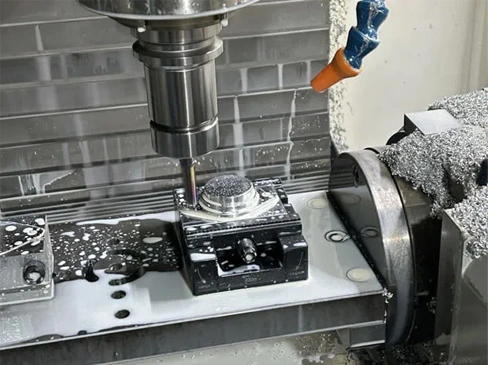
Professional CNC turning services usually include processes such as turning, drilling, threading, grooving, and finishing operations. If your project requires additional treatment, suppliers with integrated capabilities can also help arrange processes such as anodizing, polishing, or other surface finishing methods.
MQJM provides comprehensive CNC turning services for customized precision parts, helping customers achieve consistent quality from prototype validation to production orders.
Consider Production Capacity and Communication Support
A good supplier should not only manufacture parts but also provide smooth communication throughout the project. Clear communication helps prevent misunderstandings related to drawings, tolerances, materials, and delivery schedules.
Before starting cooperation, ask suppliers about their production workflow, lead times, and ability to support future orders. A supplier that can scale production according to your business growth can become a long-term manufacturing partner rather than only a short-term vendor.
For international customers, communication ability is equally important. Fast response times, professional technical feedback, and transparent project updates can significantly improve the overall sourcing experience.
Compare Supplier Value Instead of Only Looking at Price
Cost is an important consideration, but the lowest quotation does not always represent the best choice. An unreliable supplier may create additional expenses through quality problems, production delays, or repeated adjustments.
When comparing aluminum turning parts suppliers, consider the overall value they provide. A supplier with better machining expertise, stable quality control, and engineering support can often reduce long-term manufacturing costs.
| Supplier Comparison Point | Low-Cost Supplier Risk | Professional CNC Supplier Advantage |
|---|
| Machining Quality | Higher risk of inconsistent parts | Stable accuracy and repeatable production |
| Engineering Support | Limited technical suggestions | Professional recommendations for optimization |
| Production Reliability | Possible delays and rework | Better project control and delivery confidence |
Why Choose MQJM as Your Aluminum Turning Parts Partner?
MQJM focuses on providing custom CNC machining solutions for global customers who need reliable precision components. With experience in CNC turning and precision manufacturing, MQJM supports customers with customized aluminum parts production based on their drawings and application requirements.
From prototype machining to repeat production, MQJM works closely with customers to improve manufacturability, maintain quality consistency, and deliver parts that meet project expectations.
If you are looking for a dependable CNC manufacturing partner for your next aluminum component project, you can contact MQJM to discuss your requirements and receive professional support.
Conclusion
Selecting the right aluminum turning parts suppliers requires more than comparing prices. A reliable supplier should have strong CNC machining capabilities, material expertise, strict quality control, flexible production support, and effective communication.
By evaluating these factors carefully, companies can find a manufacturing partner that delivers consistent aluminum turned parts and supports long-term product development. For custom CNC projects, choosing an experienced supplier like MQJM can help improve efficiency, reduce production risks, and achieve better manufacturing results.
FAQ
1. What should I look for in aluminum turning parts suppliers?
Look for CNC machining experience, material knowledge, quality control processes, production capability, and good technical communication.
2. What aluminum materials are commonly used for CNC turning?
Common options include 6061 aluminum and 7075 aluminum, selected based on strength, machinability, and application requirements.
3. Can aluminum turning suppliers handle custom designs?
Yes. Professional suppliers can manufacture custom parts based on customer drawings, CAD files, and specific requirements.
4. How can I ensure aluminum turned parts meet quality requirements?
Choose suppliers with inspection processes, precision machining experience, and the ability to verify dimensions throughout production.